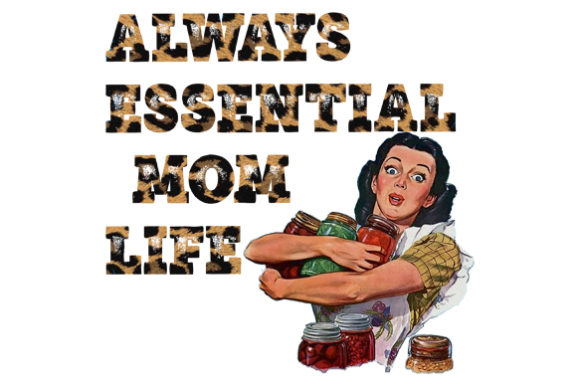
Always Essential Mom Life: A Designer’s Real-World Review
As an embroidery designer who has spent countless hours digitizing, testing, and critiquing designs for real-world application, I approach every new asset with a healthy dose of skepticism. We have all been there: you download a file that looks stunning on the screen, only to find it turns into a tangled mess of thread once it hits the fabric. That is why evaluating Always Essential Mom Life requires looking past the initial graphic appeal and considering its practical viability in a busy craft business or home studio.
This piece falls under the broad categories of Crafts and Graphics, specifically marketed as a PNG sublimation file with a transparent background at 300 dpi. For those of us working primarily with needle and thread, this distinction is critical. While the product description highlights its utility for cards, frames, artwork, and scrapbooks, the question remains: how does this graphic translate when we attempt to adapt it for stitched projects? Let’s break down the design’s potential, limitations, and best use cases from the perspective of someone who actually sells these finished products.
First Impressions and Visual Personality
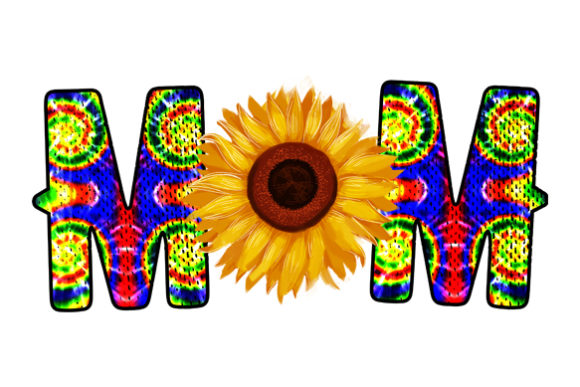
The phrase "Always Essential Mom Life" carries a specific cultural weight. It speaks to the chaotic, beautiful, and often exhausting reality of modern parenting. Visually, the design likely relies on typography that balances readability with personality. In my experience, designs in this niche perform best when they feel approachable rather than overly ornate. The mood here is relatable and warm, making it an ideal candidate for personalized gifts and boutique merchandise.
When I look at a graphic like this, I am immediately assessing the line weight and complexity. Since this is provided as a high-resolution PNG, the clarity of the edges is paramount. A 300 dpi resolution is the industry standard for crisp printing, which suggests that if you are using this for sublimation on polyester blends or creating printable mockups for your Etsy shop, the quality will hold up well. However, for embroidery, we must mentally convert these pixels into stitches. The layout appears versatile, suitable for center-chest placements on apparel or larger focal points on home decor items.
Real-World Application: From Screen to Stitch
Let’s imagine a realistic scenario. You run a small shop product line focused on custom apparel for mothers. A customer orders a customized sweatshirt for a friend’s baby shower. They want something that says "Mom Life" but feels stylish, not cliché. This is where Always Essential Mom Life could shine, provided you handle the technical conversion correctly.
If you are using this graphic as a reference to create a machine embroidery design, the simplicity of the concept works in your favor. For a tote bag design, you might opt for a bold fill stitch to ensure durability against daily wear. For a delicate baby embroidery project, such as a onesie or burp cloth, you would need to simplify the details significantly. The key is adapting the visual density of the original graphic to the physical constraints of the hoop size and fabric texture.
For those who are strictly digital sellers, this asset is perfect for creating printable mockups. You can overlay the transparent PNG onto photos of mugs, shirts, or totes to show potential buyers what the final product could look like. This saves time on physical sampling while maintaining a professional presentation in your digital embroidery file listings or craft business portfolios.
Navigating Technical Challenges
While the aesthetic is strong, we must address the technical hurdles. Since this is a graphic file and not a native embroidery file format (like PES or DST), you cannot simply load it into your machine. You must either print it via sublimation or use it as a template for digitizing. If you choose to embroider it, pay close attention to stitch density.
Small hoop sizes present a significant challenge. If you attempt to squeeze this design into a 4x4 inch hoop, the lettering may become too dense, leading to puckering or thread breaks. I recommend testing the design on scrap fabric first, especially if you are working with stretchy fabric or thin material. Using a proper stabilizer is non-negotiable here. A cut-away stabilizer might be necessary for garments that will undergo frequent washing, ensuring the design retains its shape over time.
Dark fabric poses another issue. If the original graphic uses light colors, you will need to adjust your thread colors for contrast. A satin stitch border around the text can help define the edges against darker backgrounds, preventing the design from getting lost in the fabric texture. Always check whether the design works for both light and dark fabric backgrounds before committing to a large production run.
Commercial Viability and Brand Consistency
For the Etsy seller or commercial embroidery professional, consistency is key. Does Always Essential Mom Life fit your brand identity? If your shop specializes in minimalist, modern aesthetics, this design might need simplification. If your brand is playful and colorful, it fits perfectly. The versatility of the graphic allows it to be used across various products, from aprons to pillow covers, enhancing your product range without requiring entirely new design concepts.
Customer trust is built on quality. A poorly executed embroidery job can damage your reputation. Therefore, inspect small details closely. Are the corners sharp? Is the spacing between letters consistent? When converting from a PNG to stitches, these elements can easily distort. Reviewing the stitch count and density in your digitizing software is essential. If you are unsure about the license terms for commercial use, always confirm licensing before selling finished items. Most graphic assets have specific rules regarding resale and modification, so clarity here protects your business.
Practical Designer Notes for Best Results
To get the most out of this asset, consider these practical steps:
- Test on Scrap Fabric: Never skip this step. It allows you to adjust tension and stabilizer choice without risking your final garment.
- Check Thread Color Contrast: Ensure your thread colors pop against the fabric. Use black and white mockups to verify value contrast.
- Review Stitch Density: If digitizing, reduce density for stretchy fabrics to prevent distortion.
- Confirm Hoop Size: Ensure the design fits comfortably within your hoop, leaving room for hooping margins.
- Inspect Small Details: Tiny lettering can merge during stitching. Simplify if necessary.
- Verify Licensing: Confirm if the PNG license allows for commercial embroidery projects or if it is restricted to print-only uses.
In conclusion, Always Essential Mom Life is a versatile graphic asset that holds significant potential for both print and embroidery applications. While it requires careful technical handling to translate from a PNG to a stitched masterpiece, its relatable theme and clean layout make it a valuable addition to any designer’s toolkit. Whether you are creating holiday embroidery gifts, everyday custom apparel, or digital design assets, this piece offers a solid foundation for creative expression. Just remember to respect the technical limits of your materials, and your finished product will reflect the professionalism and care your customers expect.