Autism and Adhd Doesn t Come: Graphics for Print Templates
As a digital publisher who has spent years refining the visual identity of content-heavy websites, I have learned that the right graphic design asset does more than just fill space. It establishes tone, builds trust, and signals to the reader exactly what kind of experience they are about to have. When I first encountered Autism and Adhd Doesn t Come, my immediate reaction was one of recognition regarding its emotional weight and design utility. This is not merely a decorative element; it is a statement piece rooted in the reality of neurodivergent parenting.
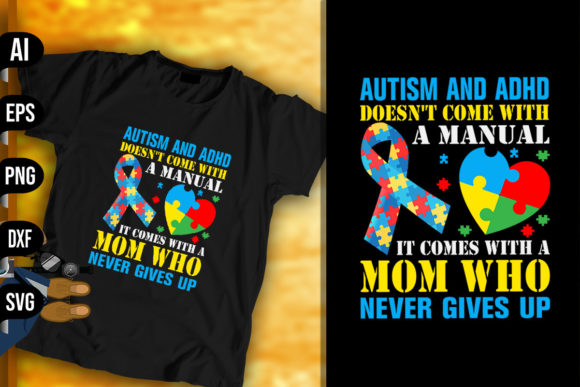
The core message—that autism and ADHD do not come with a manual, but rather with a mother who never gives up—resonates deeply within specific lifestyle and educational niches. From an editorial perspective, this asset creates a mood that is simultaneously vulnerable and empowering. It feels modern yet deeply human, striking a balance between bold advocacy and warm, relatable storytelling. For bloggers, newsletter creators, and online educators, integrating such a powerful sentiment into your web design strategy can significantly enhance reader connection.
Elevating Editorial Design with Emotional Resonance
In the world of content marketing, visual hierarchy is everything. Readers scan before they read. A well-chosen image or graphic acts as an anchor, drawing the eye and setting the context for the text that follows. Autism and Adhd Doesn t Come serves as an excellent example of how a digital product can transcend its original format. While described as a print-ready design suitable for physical goods like t-shirts, mugs, and signs, its application in digital publishing is equally potent.
Imagine using this asset as a featured image for a blog post discussing resources for special needs parents. The visual immediately communicates empathy and solidarity. It transforms a standard article header into a beacon for a specific community. When used in blog graphics or Pinterest pins, it stands out against the noise of generic stock photography. It offers authenticity, which is a currency highly valued in today’s digital landscape. By incorporating this design into your brand identity, you signal that your content is created with understanding and care.
Versatility Across Digital Publishing Channels
One of the strongest attributes of this asset is its adaptability. As a reviewer of design assets, I look for versatility. Can this work in a newsletter? Can it serve as a cover for a digital guide? The answer is yes. Here is how I envision publishers utilizing this graphic across various channels:
- Pinterest Pins: The bold messaging works exceptionally well for vertical pins targeting parents seeking advice, support, or community.
- Newsletter Headers: Placing this graphic at the top of an email campaign can increase open rates by creating an immediate emotional hook.
- Lead Magnets: Use it as the cover art for a downloadable PDF checklist or resource guide for neurodivergent families.
- Social Media Graphics: It serves as a powerful backdrop for Instagram stories or Facebook posts that share personal anecdotes or professional tips.
- eBook Covers: For authors writing about parenting, psychology, or education, this design adds a layer of professional polish and emotional depth.
This flexibility makes it a valuable addition to any creative marketplace toolkit. Whether you are an affiliate marketer promoting relevant products or a small business owner building a brand around inclusive education, this asset supports a cohesive visual narrative.
Strategic Placement and Visual Performance
To maximize the impact of Autism and Adhd Doesn t Come, placement is key. It works best in areas where it can breathe. Hero images on landing pages, large article thumbnails, and dedicated social media posts allow the message to be fully absorbed. However, caution is required in certain contexts. In small mobile thumbnails, intricate details may be lost, and the text might become illegible if not scaled properly. Additionally, on text-heavy blog images, adding this graphic could create visual clutter, reducing readability.
For websites that adhere to a very minimal or corporate visual system, this asset might feel too expressive. It thrives in environments that value personality and connection over sterile professionalism. Therefore, it is ideal for lifestyle blogs, non-profit organizations, educational platforms, and community-driven sites. It is less suited for strict financial or legal corporate portals where neutrality is preferred.
Practical Publisher Notes for Implementation
Before deploying any new printable design or graphic into your live workflow, testing is essential. Here are my practical recommendations for integrating this asset into your content strategy:
- Test Responsiveness: View the graphic on both desktop and mobile screens. Ensure the text remains legible and the composition holds up on smaller devices.
- Check Contrast: If you overlay text on this graphic, ensure there is sufficient contrast for accessibility. Use tools to verify readability standards.
- Font Pairing: Experiment with different typography styles. Place the graphic beside serif fonts for a traditional editorial look, sans serif for modern clarity, or handwritten fonts for a personal touch. Avoid pairing it with overly decorative display fonts that might compete for attention.
- File Optimization: Review the file size for web performance. Large, uncompressed images can slow down page load times, negatively affecting SEO and user experience. Compress images properly without sacrificing quality.
- Licensing Verification: Always confirm the commercial license terms. If you are using this on monetized websites, affiliate pages, or in paid content products, ensure you have the right to do so. This protects your business and respects the creator’s rights.
By treating this asset as a strategic component of your small business branding, you elevate the perceived value of your content. It moves beyond mere decoration to become a tool for communication and connection.
Building Trust Through Consistent Visuals
Ultimately, the goal of any editorial design effort is to build trust. When readers see consistent, high-quality visuals that align with the message of the text, they are more likely to engage, share, and return. Autism and Adhd Doesn t Come offers a unique opportunity to humanize your brand. It reminds your audience that behind the content is a real person who understands the challenges and joys of the journey.
Whether you are creating a Canva template for your team, designing a digital download for your shop, or crafting a website header for your main page, this graphic provides a solid foundation. It is a testament to the power of visual storytelling in the digital age. By leveraging such thoughtful creative design elements, publishers can create spaces that are not only informative but also deeply supportive and visually compelling.
In conclusion, integrating Autism and Adhd Doesn t Come into your publishing workflow is a smart move for anyone targeting the neurodiversity niche. It combines emotional resonance with practical design utility, making it a standout choice for modern content creators. Use it wisely, test it thoroughly, and let it help you tell your story with clarity and heart.