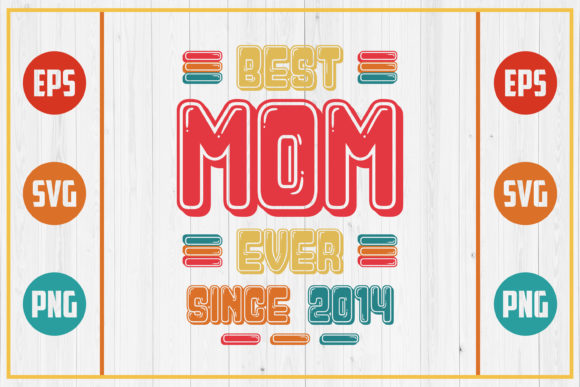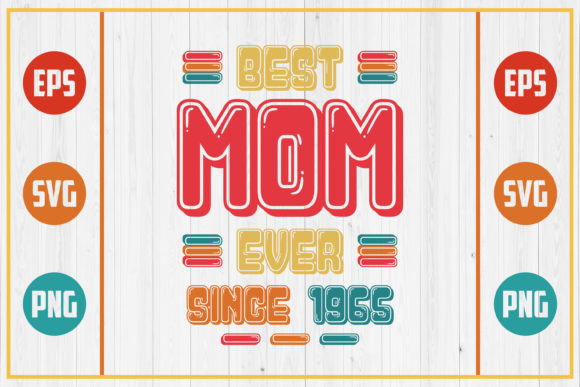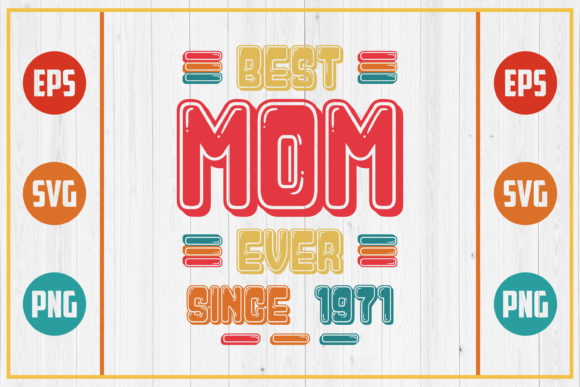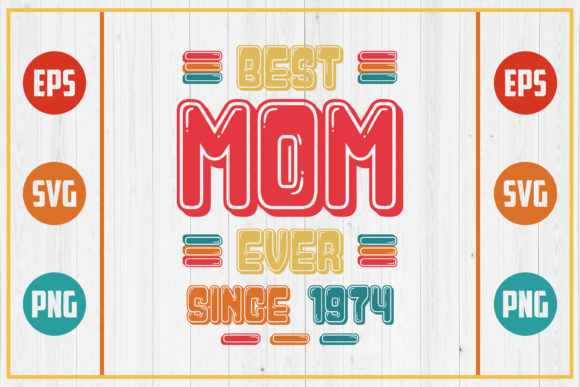
Reviewing Best Mom Ever Since 1960 for Real Embroidery Projects
As a designer who spends more time staring at stitch previews than actual fabric, I have learned that not every digital file translates well to the needle. When I first opened the folder for Best Mom Ever Since 1960, my immediate reaction was one of cautious optimism. The concept is timeless, but execution is everything in our craft. This is not just another generic phrase; it carries a specific nostalgic weight that appeals to a distinct demographic. For those of us running small shops or creating personalized gifts, understanding how this design behaves under the presser foot is crucial before we commit to expensive blanks or client deadlines.
The Visual Personality and First Impressions
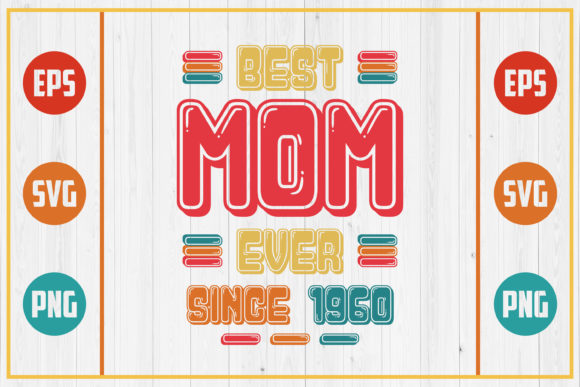
The layout of Best Mom Ever Since 1960 suggests a balance between retro charm and modern clarity. In the world of Graphics and Crafts, typography-driven designs can be tricky. If the letters are too thin, they disappear into the fabric texture. If they are too dense, the garment puckers. From a designer’s perspective, this piece feels like it belongs on items that celebrate legacy and longevity. It does not scream for attention with chaotic elements; instead, it relies on the strength of its message. The mood is warm, established, and proud. It naturally fits into categories like holiday embroidery for Mother’s Day, birthday gifts for matriarchs, or even boutique branding for shops that specialize in vintage-inspired home goods.
When I visualize this on a tote bag design, I see it working beautifully with a heavy canvas. The structure of the bag supports the weight of the stitches. However, placing it on a delicate silk scarf would be a mistake. The design demands a surface that can hold its ground. It feels substantial, which is exactly what you want when creating a personalized gift that needs to feel valuable and well-made.
Real-World Application: The Sweatshirt Test
Let us consider a real-life scenario. A customer approaches your Etsy seller storefront requesting a custom sweatshirt embroidery for her mother’s 64th birthday. She wants something that honors the year her mom became a parent. Best Mom Ever Since 1960 is the perfect candidate here. But before you hit "start" on your machine, you need to think about the fabric. Sweatshirts are often made of fleece or heavy cotton blends. These materials have a nap and a stretch.
In this context, the design’s performance depends heavily on your choice of stabilizer. Because the text likely involves both straight lines and potentially some decorative curves, using a cut-away stabilizer is non-negotiable for a garment that will be washed frequently. If you use a tear-away, the stitching might pull out over time, ruining the professional look of your handmade product. I always recommend testing the design on a scrap piece of the same sweatshirt material first. Check how the thread colors interact with the fabric. A cream thread on a heather gray sweatshirt might get lost, whereas a bold white or contrasting pastel could make the text pop.
Navigating Fabric Textures and Hoop Constraints
One of the most critical aspects of evaluating any digital embroidery file is understanding where it should not be used. While Best Mom Ever Since 1960 is versatile, it has limitations. If you are working with a small hoop size, you must ensure the entire phrase fits without compromising the legibility of the year "1960." Tiny numbers can become a blob of thread if the stitch density is too high or if the machine tension is off.
Textured fabrics present another challenge. If you are embroidering this onto a waffle-knit towel or a rough linen apron, the background texture can interfere with the clean lines of the letters. In such cases, you might need to adjust your machine embroidery design settings, perhaps increasing the underlay stitches to create a smoother foundation. For curved surfaces like caps or hats, this design requires careful hooping. The curvature can distort the text, making "1960" look uneven. I advise using a cap frame and ensuring the design is centered perfectly on the front panel to maintain visual balance.
Commercial Viability and Brand Consistency
For craft business owners and small shop product creators, consistency is key. Does this design fit your brand aesthetic? If your shop focuses on minimalist, modern lines, this nostalgic piece might feel out of place unless styled correctly. However, if your brand leans into heritage, family values, and classic styles, Best Mom Ever Since 1960 becomes a strong asset. It enhances buyer engagement because it tells a story. Customers are not just buying an embroidered item; they are buying a celebration of a specific milestone.
When creating printable mockup images for your online listings, pay attention to lighting. Show the texture of the stitches. Highlight the quality of the satin stitch or fill stitch work. This builds trust. Buyers want to see that the digital asset translates into a high-quality finished product. Mentioning that the design is suitable for commercial embroidery can also broaden your appeal, attracting other makers who might want to license or use the design for their own small batches, provided the license allows it.
Technical Notes for the Practical Designer
Before you integrate this into your workflow, keep these practical tips in mind:
- Check the File Format: The product description specifies a .zip file containing an SVG. Note that SVG is primarily a vector format used for cutting machines like Cricut or Silhouette, and design software like Adobe Suite or Inkscape. It is not a native machine embroidery format like PES or DST. You will need to convert or trace this SVG into embroidery stitches using your digitizing software if you intend to stitch it directly. Ensure you have the right tools to handle this conversion while maintaining the integrity of the shapes.
- Contrast is King: Always test your thread choices against the fabric. High contrast ensures readability, especially for the numbers.
- Stabilize Properly: Never skip the stabilizer. For stretchy fabrics, use cut-away. For stable woven fabrics, tear-away may suffice, but cut-away offers more durability for heirloom pieces.
- Inspect Small Details: Zoom in on your digitizing software. Look for potential jumps or dense areas that might cause bunching. Adjust the stitch density if necessary to suit your specific thread weight.
- Licensing Clarity: Confirm the usage rights. Since this is a digital download for design assets, ensure you understand whether you can sell the physical embroidered items or if there are restrictions on commercial use.
In conclusion, Best Mom Ever Since 1960 is a solid addition to your library of embroidery project resources. It requires thoughtful application regarding fabric choice and stabilization, but when executed correctly, it delivers a professional, heartfelt result. Whether you are creating a baby embroidery keepsake, a sturdy embroidered patch for a jacket, or a cozy blanket accent, this design holds up. It respects the craft by demanding attention to detail, rewarding the designer who takes the time to prepare properly. For any creative entrepreneur looking to add meaningful, narrative-driven items to their catalog, this graphic offers a reliable foundation for quality work.